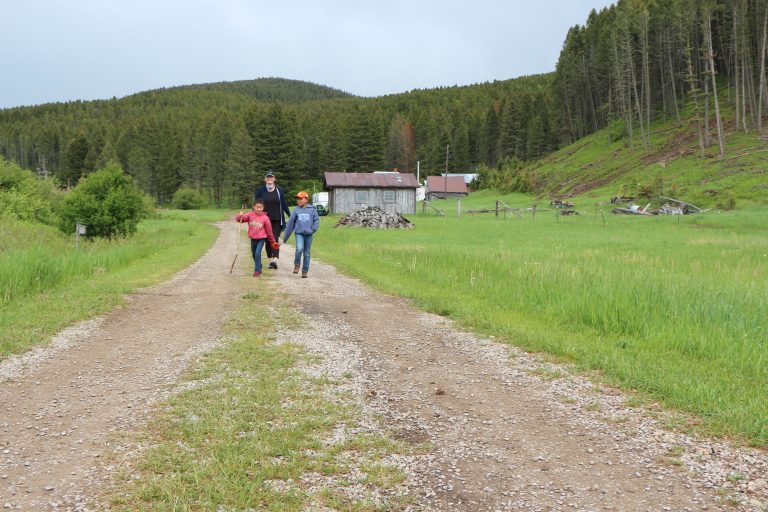
Visiting Fort Davis National Historic Site
I love West Texas. What some might describe as barren or desolate has always held an allure for me. I love the Chihuahuan Desert and the long stretches of open road. Davis Mountains State Park sits at 5,000 to 6,000 feet and gets more rain than the surrounding desert, which makes it a green, high-country oasis worth exploring. Here’s what you need to know.
If you’re visiting Alpine or Marfa, Davis Mountains State Park makes an easy side trip or add-on day trip. If you’re visiting Fort Davis National Historic Site or the McDonald Observatory, Davis Mountains State Park is a must. The park is about four miles northwest of the town of Fort Davis on State Highway 118.
Davis Mountains State Park in West Texas
We are a participant in the Amazon Services LLC Associates Program, an affiliate advertising program designed to provide a means for us to earn fees by linking to Amazon.com and affiliated sites.
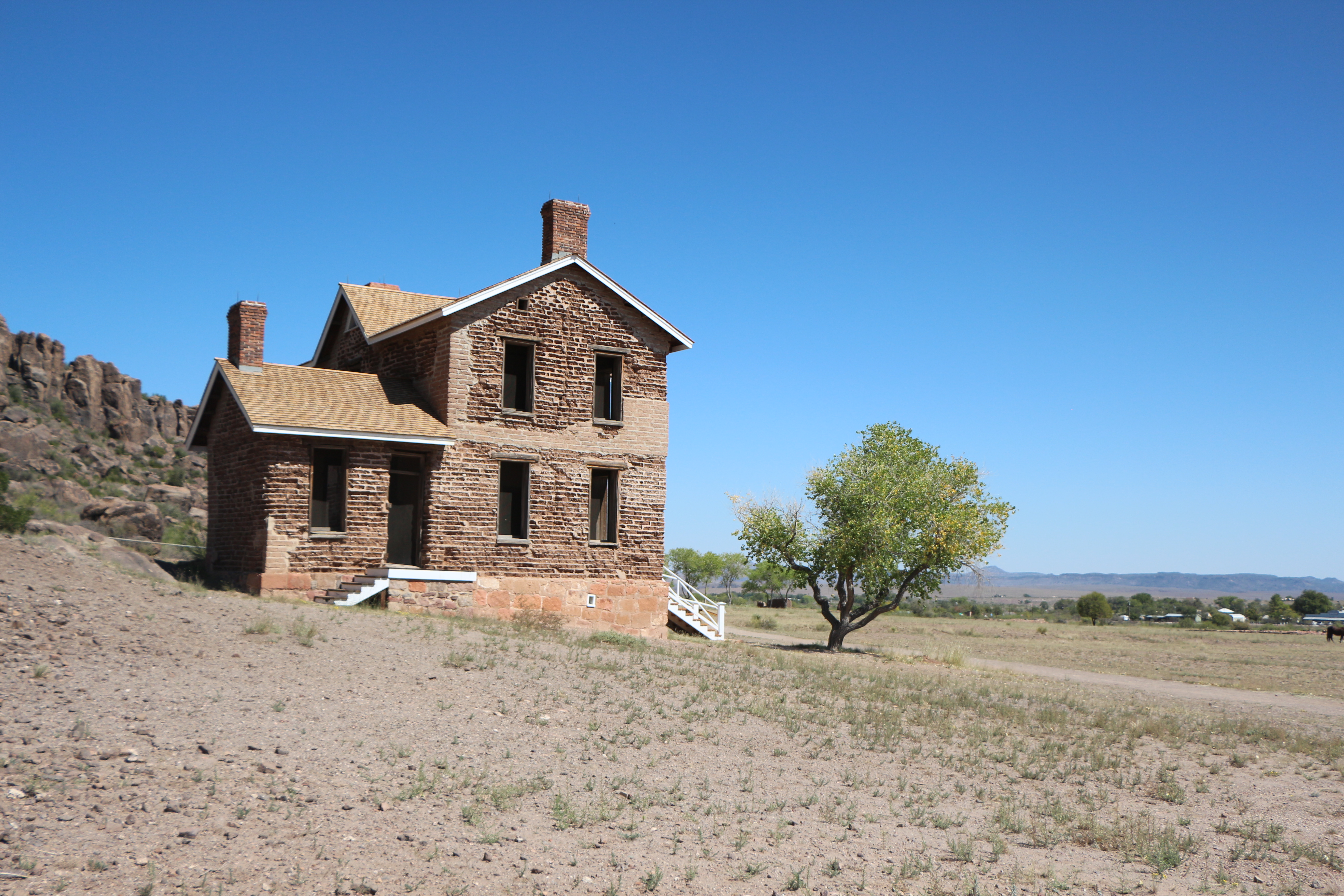
Admission and Overnight Stays
Davis Mountains State Park is operated by Texas Parks and Wildlife. Their rules and fees apply. The day use fee is $6 per person, age 13 and older, and a Texas State Parks Pass covers entry for you and your guests. See this link for more info, including whether or not you’ll need reservations.
You can rent a campsite or a room in the on-site Indian Lodge. The Civilian Conservation Corps built the pueblo-style lodge in the 1930s, and it reopened in May 2025 after a renovation that kept it closed for more than two years. If you don’t want to spend the night in the park, there are plenty of things for day guests to do. We spent the night in nearby Alpine and left early in the morning to visit Fort Davis National Historic Site and Davis Mountains State Park. It was a long, full day, and I’d like to return to this park for a longer stay.
Looking for a place to stay in Alpine? I recommend the Hampton Inn or the historic Holland Hotel.
If you want to stay in the Indian Lodge (there’s a pool), reserve as far in advance as you can. The lodge has only 39 rooms.
You can also stay in the nearby town of Fort Davis.
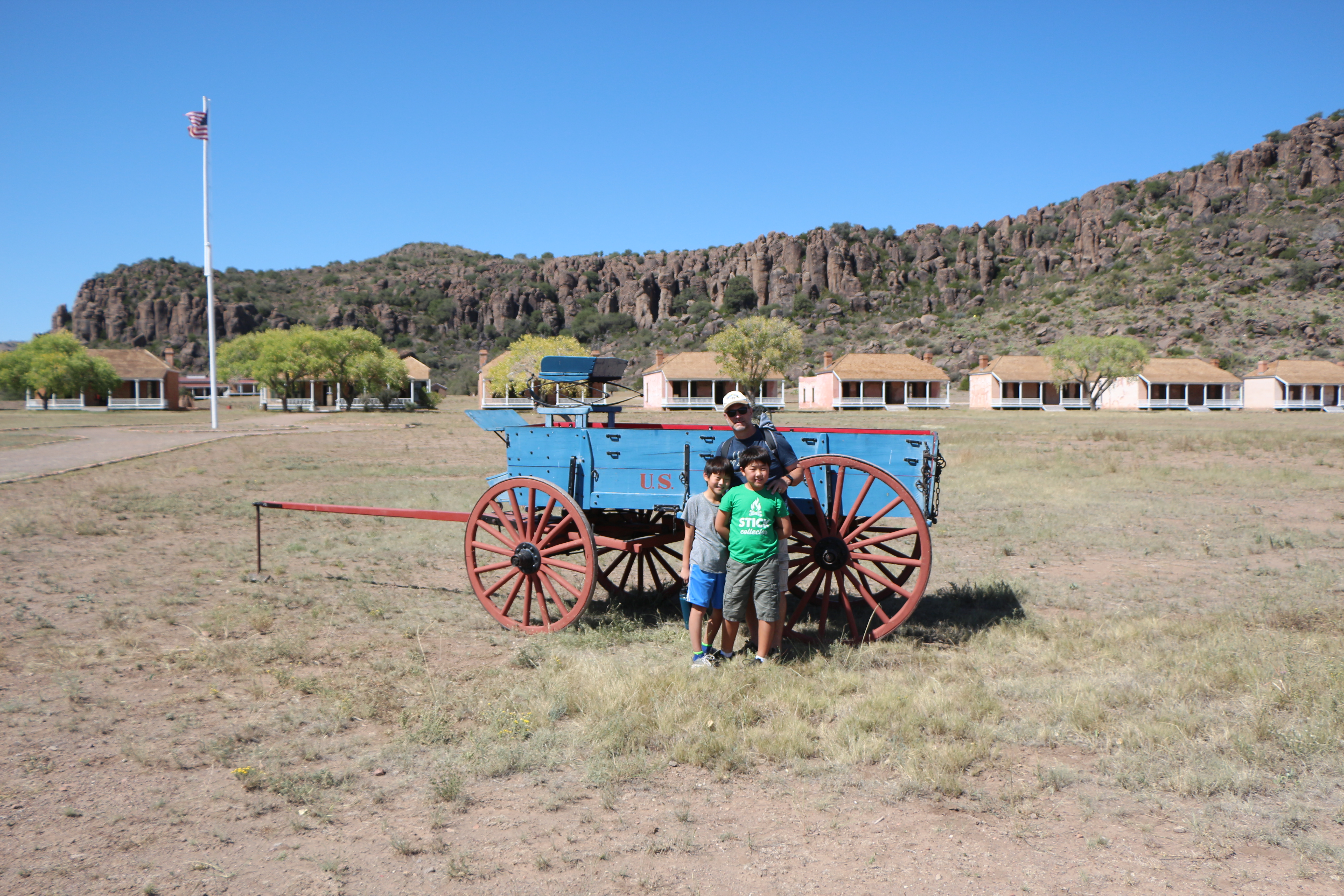
Davis Mountains State Park Things To Do
I enjoyed spending the afternoon here with my family. The park feels remote, and it’s easy to unplug. We’d spent the morning at Fort Davis National Historic Site, which was interesting in a completely different way. The state park offered something else: stillness and calm.
Check out the views
This is a great place to watch the sunrise or sunset. The area has very little light pollution, so it’s also an excellent spot for stargazing.
From the highest point of the park you’ll be able to see the McDonald Observatory, which is worth a visit on its own.
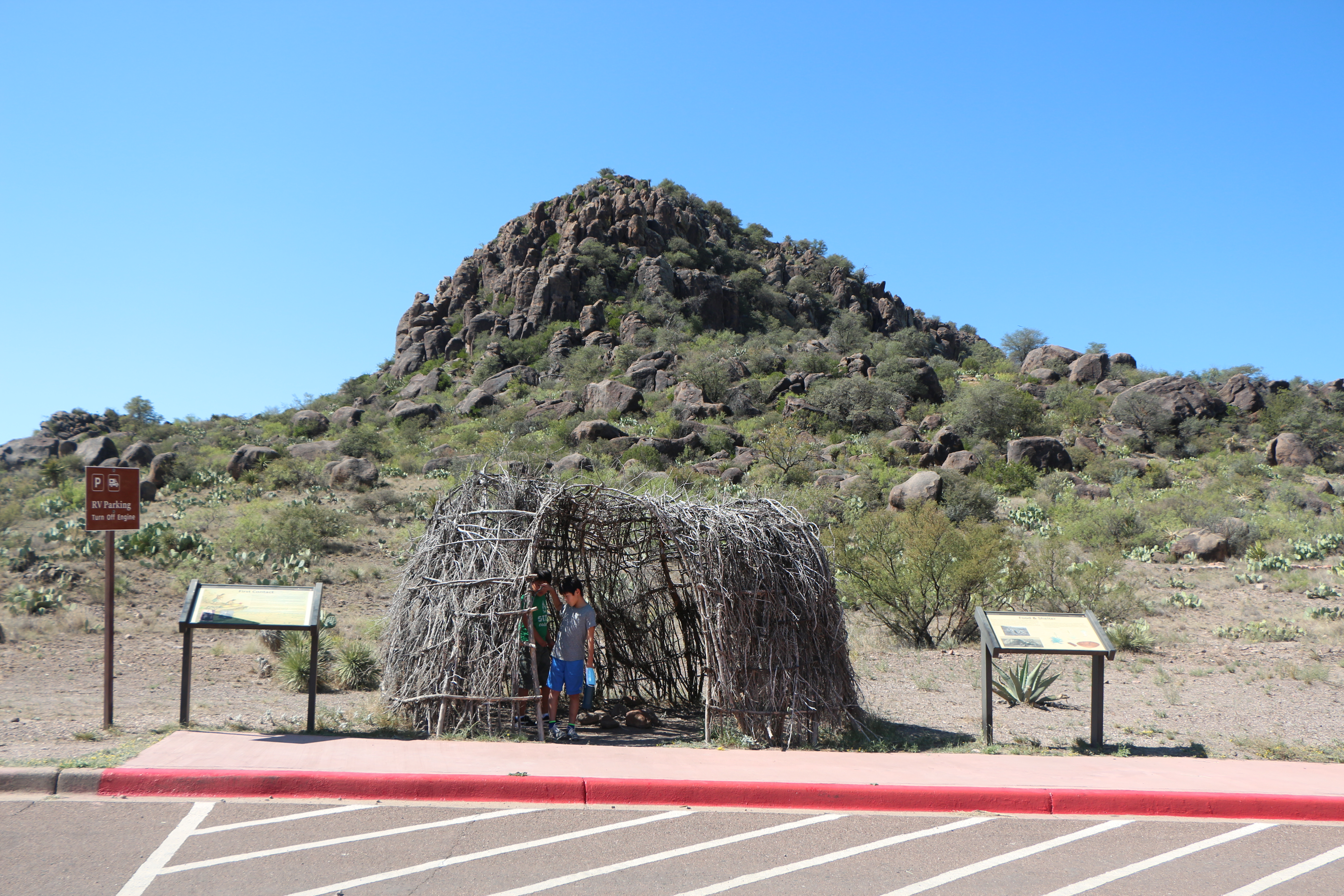
Hike or Mountain Bike
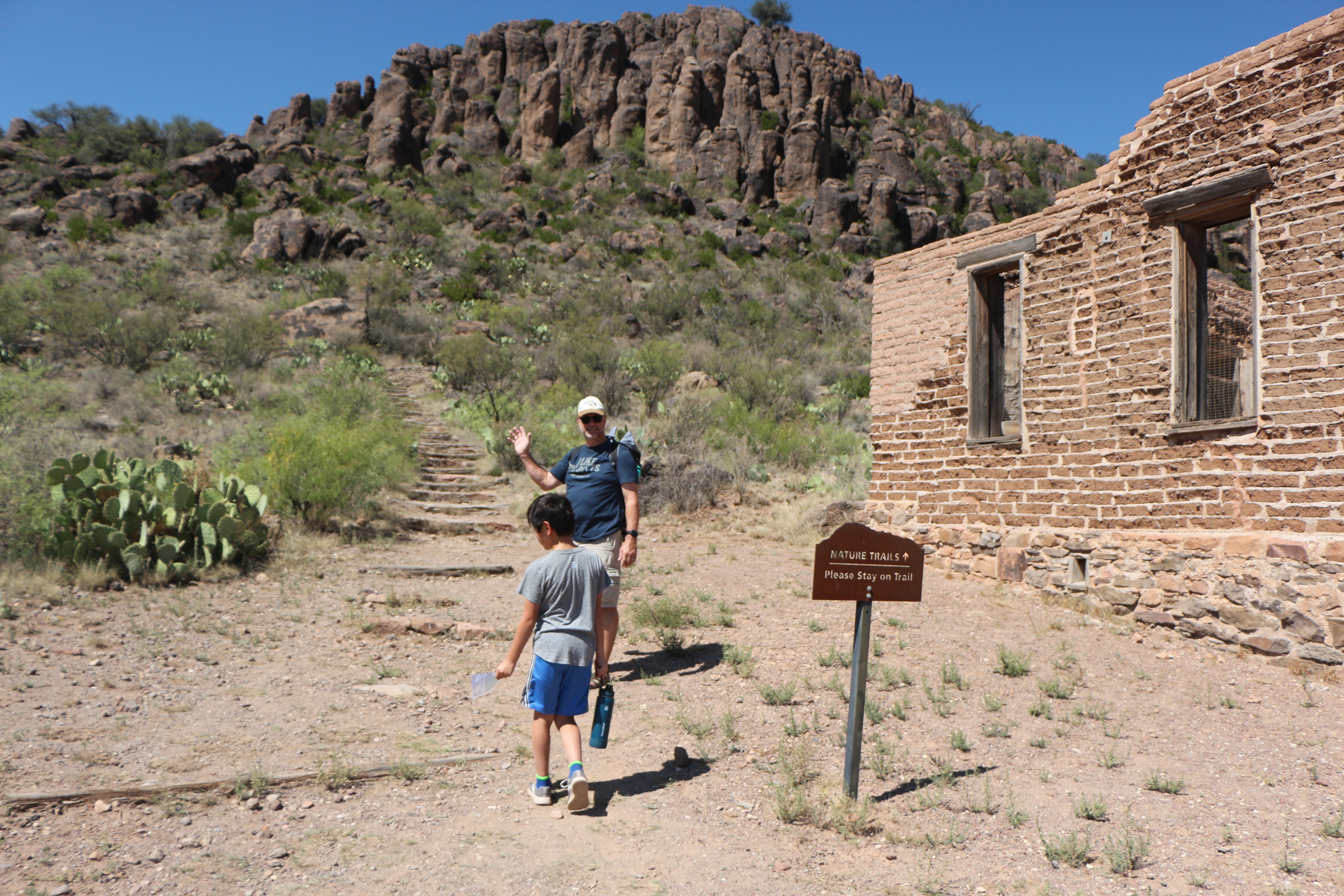
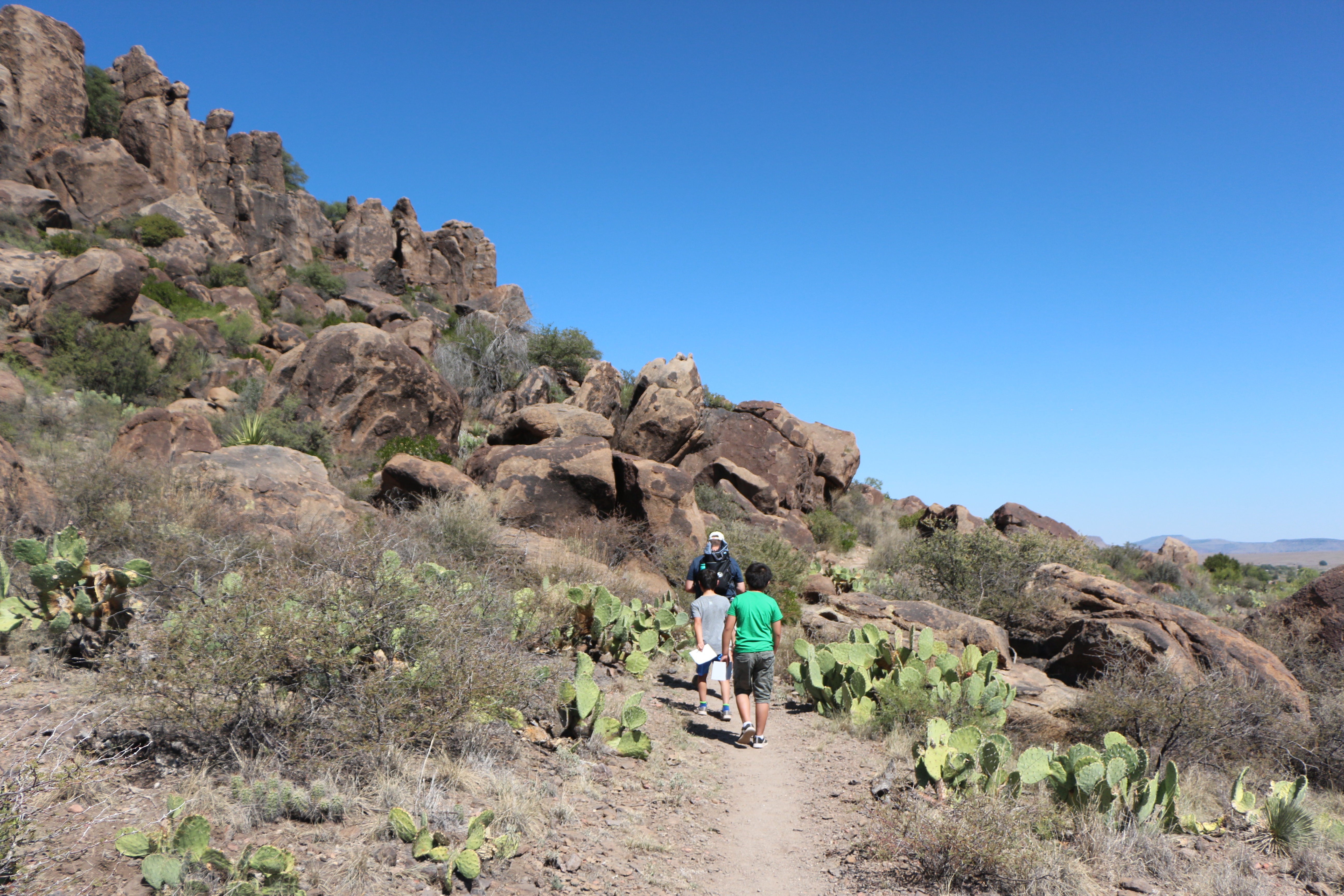
Davis Mountains State Park has trails for hikers of all levels. The Skyline Drive Trail runs about 4.5 miles along ridges and through valleys. The Old CCC Trail climbs 1.6 miles (one way) along the road the CCC used during park construction, and it connects to the trail to Fort Davis National Historic Site next door. That trailhead is a short walk from the CCC Overlook, and the fort is about a mile past the park boundary. Mountain bike and equestrian trails are also available.
Watch wildlife
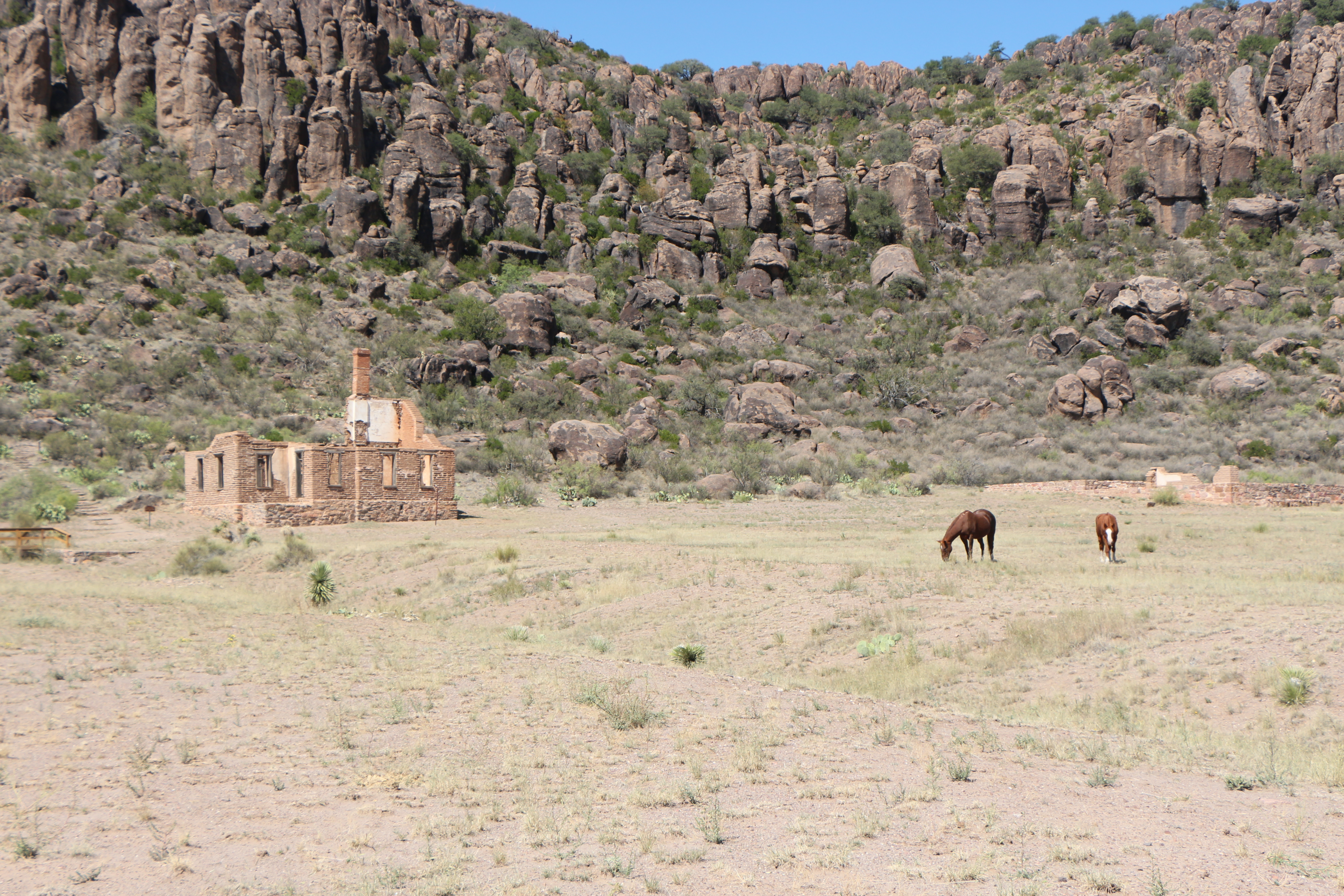
From a respectful and safe distance, of course. Davis Mountains State Park is home to mule deer, javelinas, rabbits, and many species of birds. Watch for rattlesnakes, too.
Join a ranger-led program
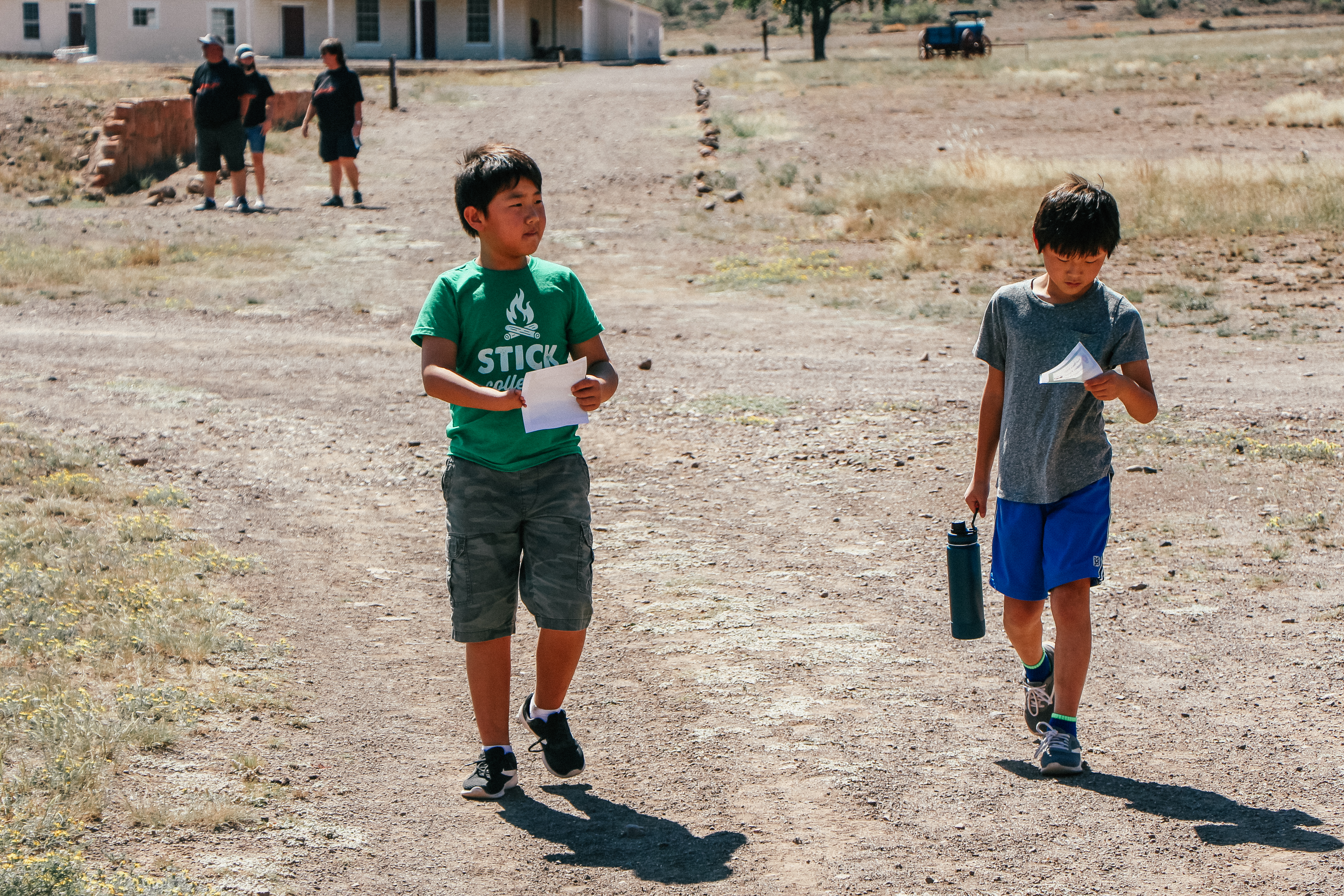
Davis Mountains State Park offers walks and programs on stargazing, birding, local history, geocaching, and more. Check their Events page for more info. Ask at the Interpretive Center about the Junior Ranger badge program.
Things to know before you visit Davis Mountains State Park
Park reservations
The park often reaches capacity, and Texas Parks and Wildlife highly recommends reservations for both camping and day use, especially during the busy season from March through Labor Day. Buying a day pass in advance guarantees your entry.
You can see a lot from your car
Skyline Drive winds up to some of the park’s highest ridges, with sweeping views of the park and the Davis Mountains, especially at sunrise or sunset. There are several places to stop for photos or a picnic lunch, along with benches, stone picnic tables, and other structures built by the Civilian Conservation Corps.
If you’re not dressed for a rugged hike or that’s not your thing, the drive is still well worth your time.
Cool nights
West Texas days are usually warm or hot, but temperatures drop quickly after the sun goes down. Bring a layer.
Bring lots of water
The air is dry, so stay well hydrated, especially if you’re active. Your sweat evaporates quickly, so you may not notice how much fluid you’re losing. You’ll need more water than you think.
The town of Fort Davis isn’t far if you’ve forgotten something or need to restock.
Other things you’ll need to bring:
- Sunscreen
- Closed-toe hiking boots (I have an older version of these which are in great shape after eight years) or other sturdy shoes
- Hat
- Sunglasses
- Long-sleeved shirts and long pants if you plan a longer hike or extended time off paved roads. They protect you from the strong sun and the spiky plants along the trails. I like the Columbia brand for durable and comfortable hiking gear. It costs more than some other brands, but it holds up.
- Trekking poles
- Cooler. You can keep one like this in your car for backup water and lunches. For something more portable, this one fits in a day bag.
Also consider carrying a paper map or downloading a trail map before you start out. I recommend AllTrails for hiking, and it lets you download your map in advance. Cell service in the park, and in this part of Texas in general, can be limited to nonexistent.
More things to do in West Texas:
Things to do in Fort Stockton, Texas
Hancock Hill Trailhead – What you need to know for a great hike
Fun things to do in Alpine and Marfa